*Updated October 2025.
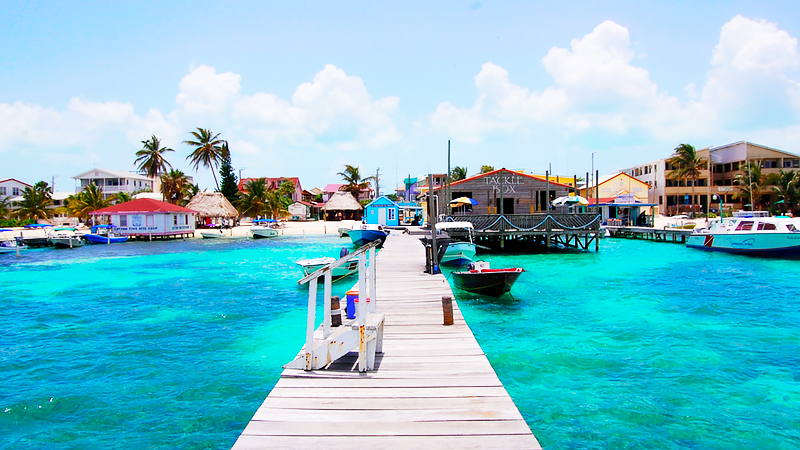
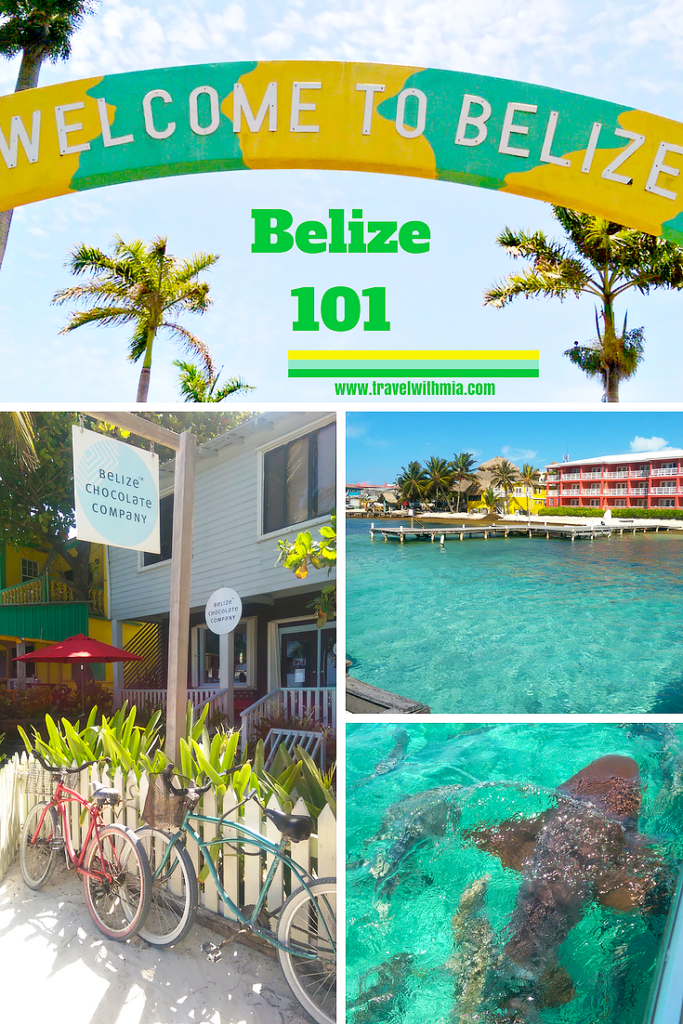
Ambergris Caye is Belize’s largest and most visited island. It’s 25 miles long, one mile wide, and home to the second-largest barrier reef in the world. If you’re planning a trip to San Pedro and don’t know where to start, this updated Belize 101 guide covers everything from how to get there to where to stay, eat, and play.
Belize For First Timers – Ambergris Caye & San Pedro
WHERE IS BELIZE?: BBelize sits in Central America on the western edge of the Caribbean Sea. It’s south of Mexico, east of Guatemala, and north of Honduras. Ambergris Caye is one of the hundreds of islands, or Cayes, off the coast. The main town on the island is San Pedro, which is where most travelers stay, eat, and play.
WHEN TO GO: The best time to visit Belize is during the dry season from late November through May when the weather is warm and the skies are clear. June through November marks the wet season, which can bring humidity and the occasional tropical storm. If you don’t mind the heat (and smaller crowds), you’ll find some great deals during those off-peak months.
WHO CAN VISIT: Belize is open to international visitors. You’ll need a valid passport with at least six months before expiration and proof of onward travel. Check the Belize Tourism Board website before your trip for any updates.
CURRENCY: Belize uses the Belize Dollar (BZD), which is fixed at 2 BZD to 1 USD. U.S. cash is accepted almost everywhere, though you’ll usually get change in Belize dollars. ATMs are easy to find around San Pedro if you need local currency, and most hotels and restaurants take major credit cards.
Budget tip: Belize has gotten pricier in recent years, especially on the islands. Meals, tours, and drinks are often close to U.S. prices, so plan accordingly. You’ll save more (and eat better) at local spots rather than tourist bars.
SAFETY: San Pedro is generally safe, but like anywhere, you’ll want to use common sense. Keep an eye on your belongings, don’t walk alone late at night, and lock up valuables in your hotel safe. Most issues are petty theft, not violent crime. Avoid getting overly drunk, stay aware of your surroundings, and you’ll be fine. Belizeans are friendly and helpful, and most visitors have zero problems beyond a mild sunburn or too many rum punches.
GETTING TO THE ISLANDS:
There are two main ways to get to Ambergris Caye or Caye Caulker from Belize City’s Philip S.W. Goldson International Airport. Whichever route you choose, make sure to factor in your return trip when planning your departure day. Between taxis, ferries, and flights, it can take a few hours to get back to the mainland for your international flight.
By Airplane:
Flying is the fastest and easiest way to reach the islands. Tropic Air and Maya Island Air both operate frequent flights from Belize City to San Pedro and Caye Caulker. You can fly directly from the international airport or take a short taxi ride to the Belize City Municipal Airport, where fares are usually lower.
Flights run several times a day and take about 20 minutes. Prices vary depending on the season, but expect to pay roughly $50–$120 one way. Book online in advance for the best rates and to avoid delays.
We flew on Tropic Air and purchased 2 RT tickets to San Pedro. Most flights take off from Municipal and stop in Caye Caulker on the way to San Pedro but a few that circle back to the international airport to pick up passengers. Either way, the flight lasts about 20 minutes and you should be on the island sipping cocktails in no time. Book your ticket ahead of time online to avoid any delays.
Travel Tip:
If you’re flying home the same day, allow at least three hours between your domestic and international flights.

By Ferry:
Taking the ferry is the slower but more budget-friendly way to reach the islands. Water taxis run several times a day between Belize City, Caye Caulker, and San Pedro, and tickets can be purchased online or at the terminal. The ride takes about 90 minutes to San Pedro and roughly 45 minutes to Caye Caulker.
A one-way ticket now costs around $25–$35 per person, depending on the route and operator. You’ll need to take a taxi from the international airport to the ferry terminal, which takes about 25 minutes.
The ferry is a scenic way to start your island trip, but it’s not the best option if you’re short on time or prone to seasickness. Boats can be delayed or canceled in rough weather, and the wait between departures can stretch during busy travel days.
If you’ve got time to spare and want to ease into island life, the ferry is a fun, laid-back way to do it.
WHERE TO STAY:
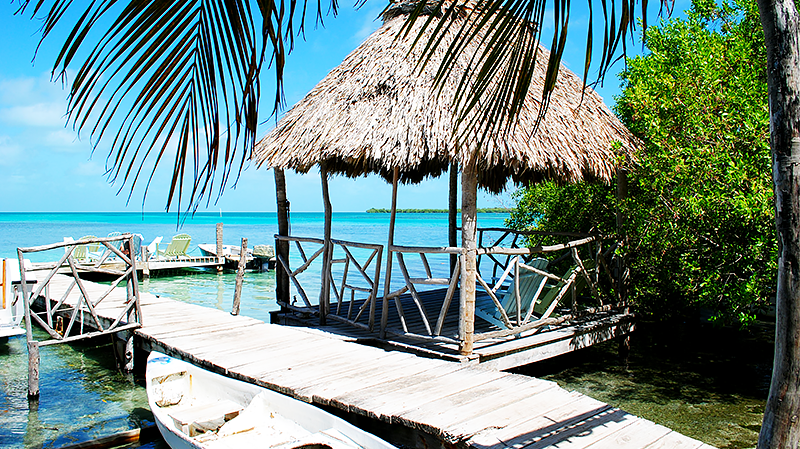
Ambergris Caye has a little bit of everything when it comes to accommodation — beach bungalows, modern condos, boutique resorts, and a few splurge-worthy villas perched right over the water. The vibe shifts noticeably depending on where you stay, so it’s worth thinking about what kind of trip you want before you book.
San Pedro Town:
The heart of the island and where you’ll find the most energy. It’s compact, walkable, and packed with beach bars, dive shops, cafés, and restaurants that stay lively from breakfast through last call. You’ll hear golf carts buzzing down the sandy streets and music floating from the beach — it’s busy, colorful, and perfect if you like to be in the middle of everything. Most hotels here are mid-range with easy access to tours, water taxis, and nightlife.
North of Town:
Cross the bridge and the island slows down. The northern stretch offers long, quiet beaches, small boutique resorts, and private villas that feel worlds away from downtown. It’s popular with couples and anyone looking for a more polished, resort-style experience. You’ll still find good restaurants and beach clubs scattered along the coast, but evenings tend to be low-key — think cocktails by the water, not crowded bars.
South of Town:
Head south and the scene becomes more residential. Expect smaller hotels, vacation rentals, and local hangouts mixed in with expat homes and family-run businesses. It’s a great area if you want a slower pace, friendly neighbors, and a glimpse of everyday island life without being completely cut off. The golf cart ride into town is short and scenic, especially at sunset.
Travel Tip:
If you’re visiting for just a few days, staying near San Pedro Town will make it easy to explore without wasting time in transit. For longer stays, consider spending part of your trip up north or down south for a quieter, more relaxed escape once you’ve had your fill of the town energy.
GETTING AROUND:
Ambergris Caye is about 25 miles long, but most of the action happens within a few miles of San Pedro Town. You’ll spend your days bouncing between beaches, bars, and tour docks rather than crossing long distances, which makes getting around surprisingly easy once you know how things work.
Golf Carts:
This is the main way to get around, and it’s half the fun. You’ll see locals, tourists, and delivery drivers all zipping along the sandy streets in golf carts instead of cars. Rentals are available by the hour, day, or week, and rates vary depending on the season. Most hotels and rental companies can deliver one right to your door. Keep in mind that roads north and south of town can get bumpy, especially after rain, so drive slowly and keep your eyes open for pedestrians, cyclists, and the occasional wandering dog.
On Foot or by Bike:
San Pedro Town is compact, so you can easily walk from your hotel to restaurants, bars, and the beach. The town’s main streets are lined with shops and cafés, and most are paved now, though a few side roads are still sand. Many travelers also rent bicycles or e-bikes for short trips — it’s a great way to explore the backstreets or grab groceries without dealing with traffic.
Water Taxis:
If you’re heading between Ambergris Caye and Caye Caulker, or just want to see the island from the water, water taxis are frequent, affordable, and scenic. The main terminals are in San Pedro Town, and tickets can be purchased at the dock or online. They also connect with the mainland if you’re continuing to Belize City or beyond.
Taxis and Transfers:
Regular taxis are available too, though you’ll rarely need them unless you’re going to or from the airport or marina. Always confirm the fare before you hop in, since meters aren’t common.
Travel Tip:
If you’re staying farther north or south, ask your hotel about bridge tolls and road conditions before renting a cart. Some areas are better reached by boat, especially after heavy rain.
WHAT TO DO:
There’s no shortage of things to do on Ambergris Caye, but it’s also worth venturing beyond the island to see more of Belize. Most hotels and local tour companies can help you book everything from reef excursions to mainland adventures, and it’s always smart to check recent reviews before you go.
Hol Chan Marine Reserve & Shark Ray Alley
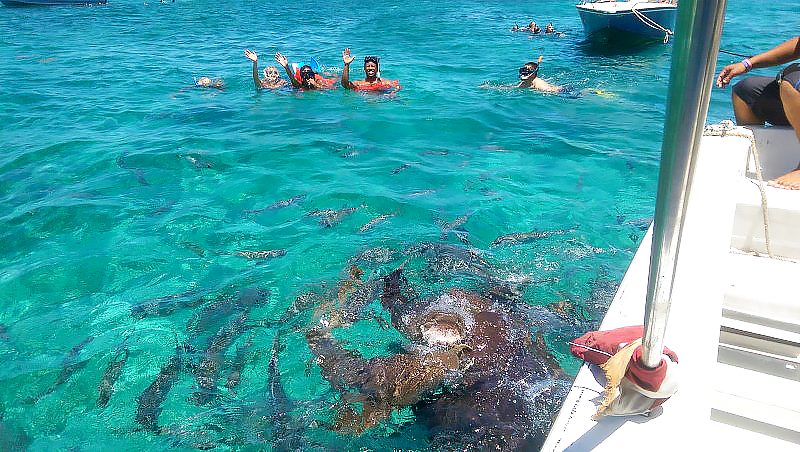
If you only do one tour, make it this one. Hol Chan Marine Reserve is part of Belize’s protected barrier reef system and offers some of the best snorkeling in the Caribbean. The coral gardens are teeming with colorful fish, and your guide will likely point out sea turtles, rays, and maybe a curious eel or two. The second stop, Shark Ray Alley, is an unforgettable experience where you can swim alongside nurse sharks and southern stingrays in crystal-clear water.
Bacalar Chico National Park and Marine Reserve
Located at the northern tip of Ambergris Caye, Bacalar Chico is part of the Belize Barrier Reef Reserve System, a UNESCO World Heritage Site. The area combines marine and terrestrial ecosystems — meaning you can spot everything from mangroves and manatees to coral reefs and nesting sea turtles. It’s a favorite for eco-travelers and anyone who loves a day that mixes snorkeling, boating, and wildlife watching.
Mayan Ruins at Lamanai
For a change of scenery, take a day trip to the mainland to explore the ancient Mayan city of Lamanai. The journey itself — a mix of road and river — is part of the adventure, winding through the Belizean countryside before you reach the towering temples hidden in the jungle. It’s a fascinating glimpse into the country’s deep history and worth the long day.
Blue Hole & Great Blue Hole Scenic Flight
You’ve probably seen photos of the famous Great Blue Hole, that perfectly round sinkhole glowing deep blue in the middle of the sea. You can dive it, but most visitors choose to fly over it for the full view. Several local operators offer scenic flights that also pass over the reef and nearby atolls — it’s pricey, but if you’re a photography lover, it’s one of those once-in-a-lifetime experiences.
Secret Beach
Technically not a secret anymore, this stretch of calm, shallow water on the west side of Ambergris Caye has become a favorite daytime hangout. Expect beach bars, loungers, and floating platforms perfect for an easy afternoon in the sun. It’s accessible by golf cart, and while it can get busy, it’s still worth visiting at least once.
Festivals & Events
Belizeans know how to celebrate, and San Pedro hosts a full calendar of festivals throughout the year. Highlights include the San Pedro Lobster Festival in June, Costa Maya Festival in August, Independence Day in September, and the Holiday Boat Parade in December. If you time your trip right, you’ll get a lively dose of local culture, food, and music.
Bioluminescence Tour
If you’re up for a longer adventure, head to the mainland or to nearby lagoons for a night tour to see Belize’s glowing waters. The bioluminescent effect is caused by tiny organisms lighting up the water with every movement — it’s pure magic, especially on a dark night.
WHAT TO EAT & DRINK:
Ambergris Caye’s food scene is one of the best reasons to visit. The island blends Caribbean comfort, Latin spice, and coastal freshness in a way that feels bold but effortless. Eating here isn’t just part of the trip; it’s part of the culture. Expect food that feels home-cooked, a little messy, and absolutely delicious.
Local Flavors
The unofficial national dish, rice and beans with stewed chicken, sets the tone for Belizean cooking: slow-simmered, richly seasoned, and deeply satisfying. You’ll find it everywhere, from beach cafés to family kitchens, often with plantains or coleslaw on the side. Try it with pork, snapper, or lobster when it’s in season. The secret is always in the sauce, made with recado paste, garlic, and local herbs that give it its color and smoky flavor.
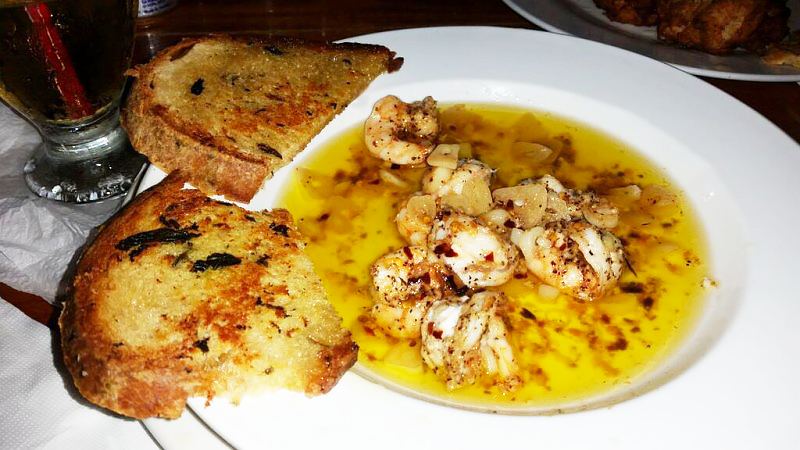
Conch and lobster are island staples, both pulled fresh from the sea. You’ll see them grilled, cooked in buttery coconut curry, or chopped into ceviche bright with lime and habanero. Fry jacks are a must-try for breakfast. They’re warm, fluffy pockets of fried dough stuffed with beans, eggs, or cheese. Once you’ve had them, you’ll dream about them later.
Belizean cuisine also draws from Creole and Garifuna traditions, which means plenty of coconut milk, cassava, and hearty fish stews. If you spot “hudut” on a menu, order it. It’s mashed plantains served with coconut fish stew, and it tastes like island comfort in a bowl.
Island Eats
San Pedro has every kind of dining experience. You can grab grilled fish from a beach shack and eat with your feet in the sand or enjoy a long dinner under string lights by the water. Most menus combine local dishes with international favorites: tacos, tamales, curries, pasta, even sushi in some places.
Lunch is usually casual, with conch fritters, jerk chicken, or a plate of coconut rice and coleslaw. Dinner slows down the pace. Expect grilled seafood, tropical salsas, and desserts like rum cake or key lime pie. The vibe is relaxed and social, with the sound of the surf mixing with music and the steady hum of blenders.
What to Drink
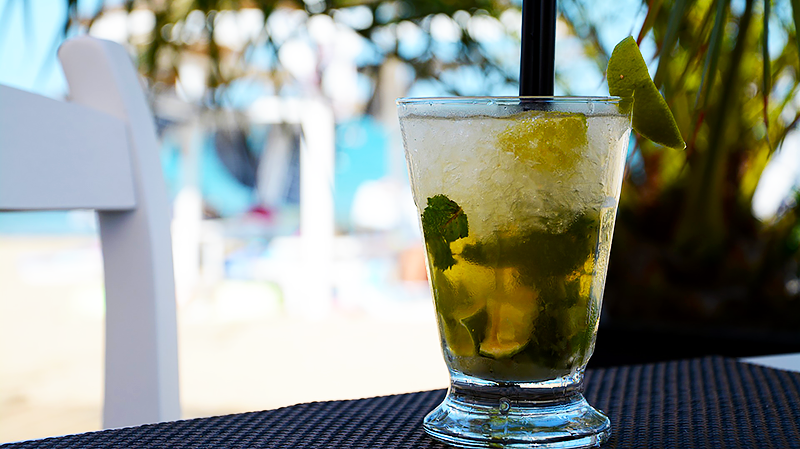
Belize keeps its drinks simple but strong. The local beer, Belikin, comes in two main versions: regular and stout. Both are cold, malty, and perfect for a beach day. Rum is the island’s spirit of choice, often mixed with pineapple juice, coconut water, or soda. The classic rum punch is sweet, strong, and served everywhere. If you want something lighter, order a “panty ripper,” a mix of coconut rum and pineapple juice over ice.
You’ll also find fresh-squeezed juices, smoothies made with local fruit, and the occasional craft cocktail. For something non-alcoholic, go for chilled coconut water straight from the shell.
Travel Tip:
Seafood and produce are seasonal, so menus change often. Lobster season usually runs from July to February and conch from October to June. When either is out of season, skip it and order what’s fresh that day. Ask what just came off the boat. The answer is almost always the right choice.
Wrap Up:
I hope you enjoyed my advice on traveling to Belize. The country has a lot to offer and you should try to see as much as you can. On my next trip, I plan to visit Ambergris Caye and San Pedro but I will branch out to other islands! If I’ve forgotten anything, please let me know in the comments! Also, I’d love to hear about your experiences. For more travel inspiration, check out my post Europe on a Budget: 6 Affordable Destinations in 2026
Have you been to Belize? Are you planning a trip? Tell me about it in the comments!
[Note: This post was originally published in 2015 but it was updated in 2021 and 2025. Some images via Pixabay]